


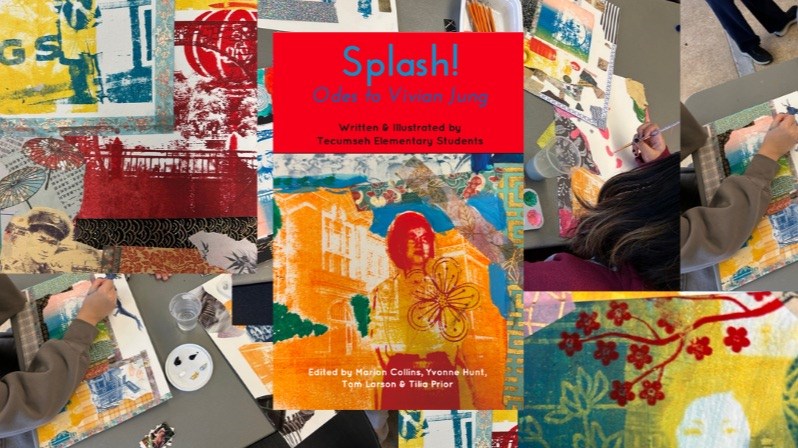
The Vivian Jung Project Fundraiser: Help Tecumseh Honour VSB’s First Teacher of Chinese Descent
In honour of education trailblazer and human rights activist, Vivian Jung, Tecumseh Elementary is raising funds to paint a mural at their school in her honour. You can help! Read below to learn more a...
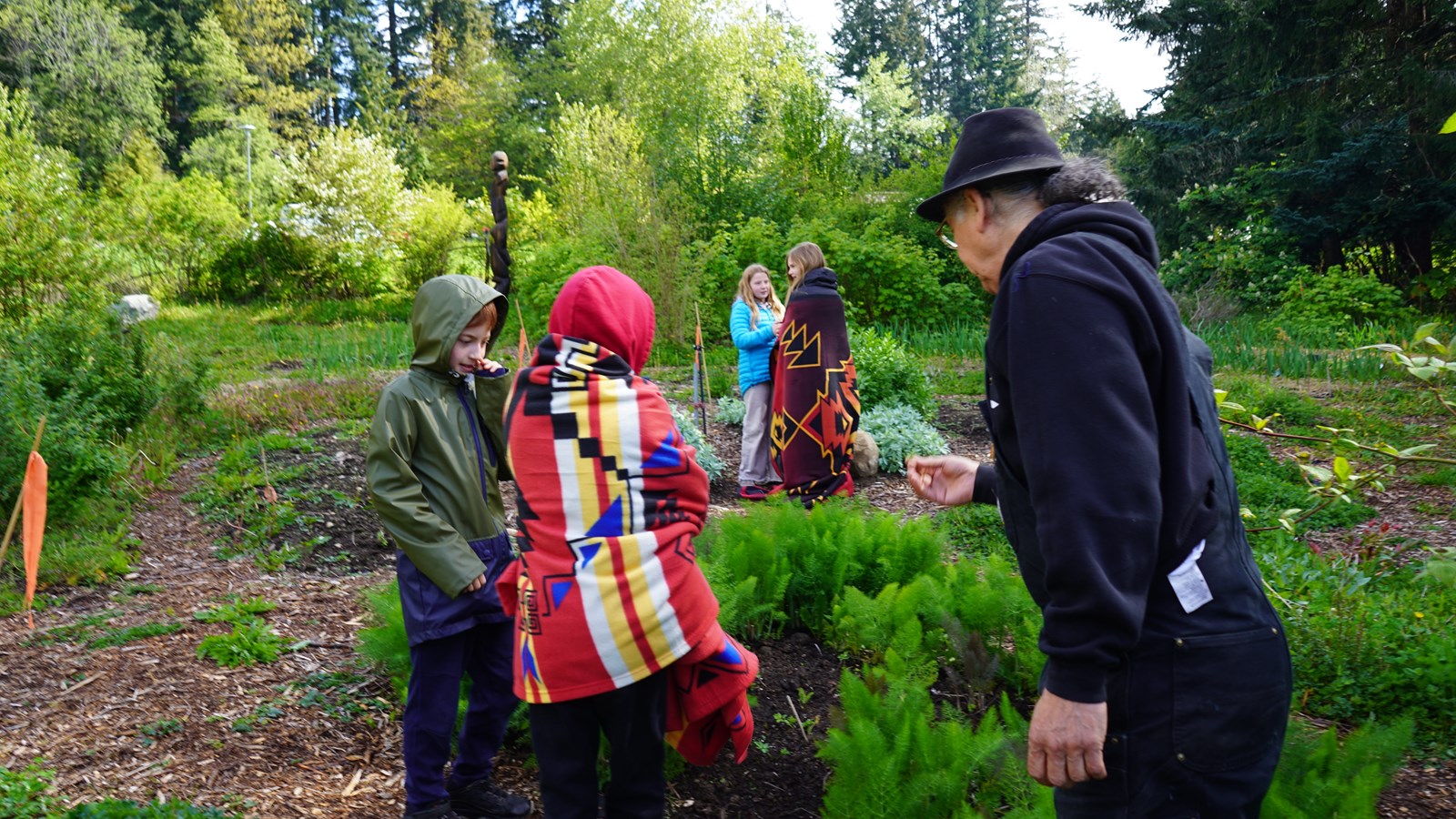
Highlights from the 12th Annual First Peoples’ Festival
Photo: Centre for Indigenous Land-Based Education, Research and Wellness at xʷc̓ic̓əsəm Garden This month VSB celebrated the 12th Annual First Peoples’ Festival, hosted in collaboration with the Muse...
District courses: History of African Descent in B.C. 12 and the Queer and Trans History of B.C. 12
Calling all Grade 11 and 12 students! There will be two District courses operating in the 2024/25 school year: History of African Descent in B.C. 12 and Queer & Trans History of B.C. 12. Because these...
Parent Bulletin
Please see the links below for our latest Parent Bulletin May 2024 Family Bulletin.pdf Graduation Bulletin 2024, Rev April 3.pdf April 2024 Family Bulletin.pdf Feb-March 2024 Family Bulletin.pdf ...
DEI Youth Conference – Artivism: Social Justice through the Arts
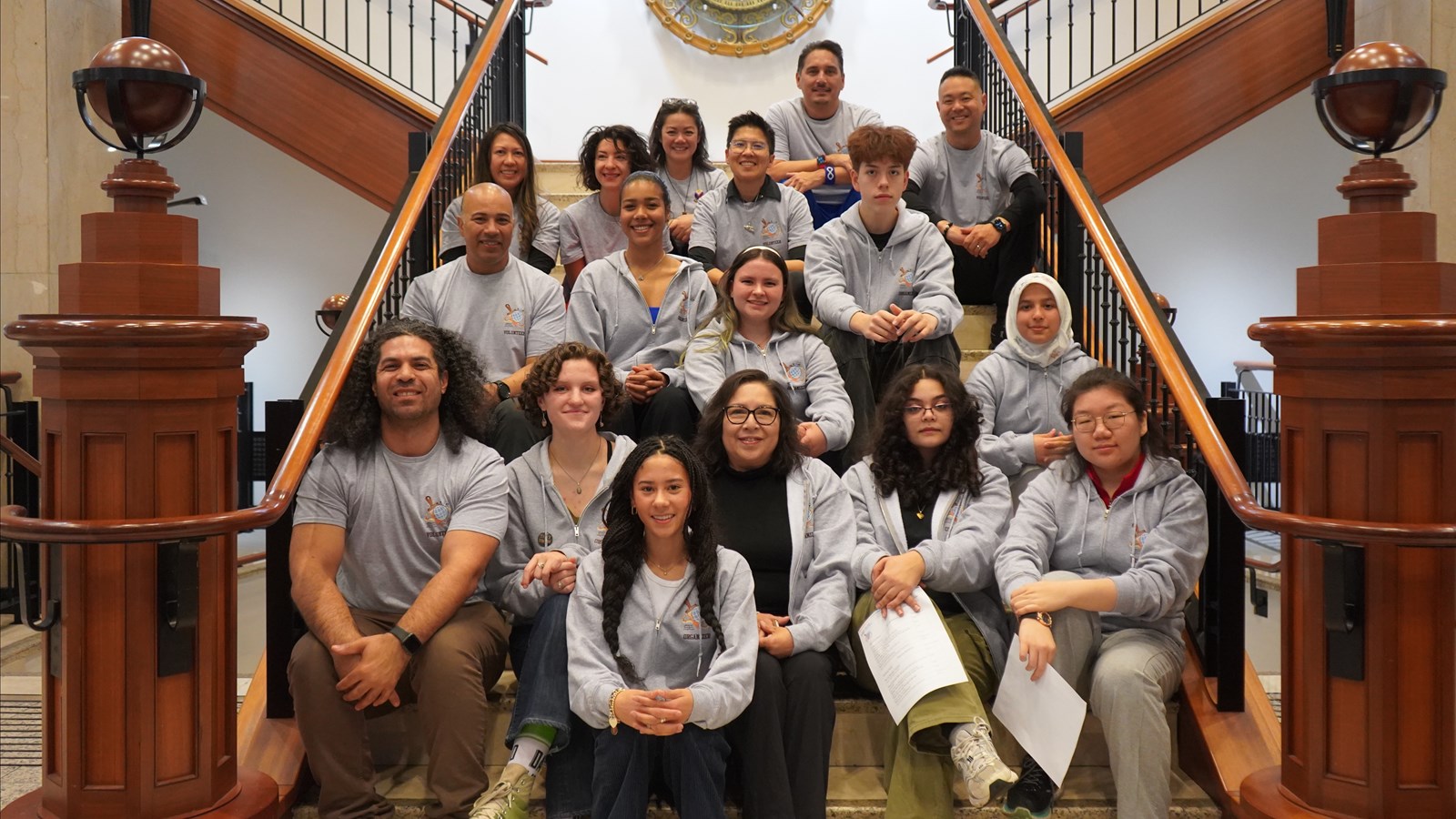
This year, VSB hosted its fifth annual DEI Youth Conference on April 25, 2024, at the Simon Fraser University (SFU) Segal Centre in downtown Vancouver. The conference welcomed 180 attendees, with stud...
Announcements
- National Day of Awareness and Action for Missing and Murdered Indigenous Women, Girls and 2SLGBTQI+ people
- Annual budget advances support for students
- Student Perspectives: SPARK-ing Conversations at the Student-led Sustainability Conference
- After the Bell (ep. 16) Equity and Anti-racism and Cellphones in School
- After the Bell (ep. 18) Sustainability in Schools
- VSB District Courses 2024-25
- Here’s What You Need to Know About Waste Reduction
- Summer Learning
Block Rotation today. BA in the morning and DC in the afternoon.

Join us tonight for the final PAC meeting of the school year. 7pm in the Library!

 Google Translate